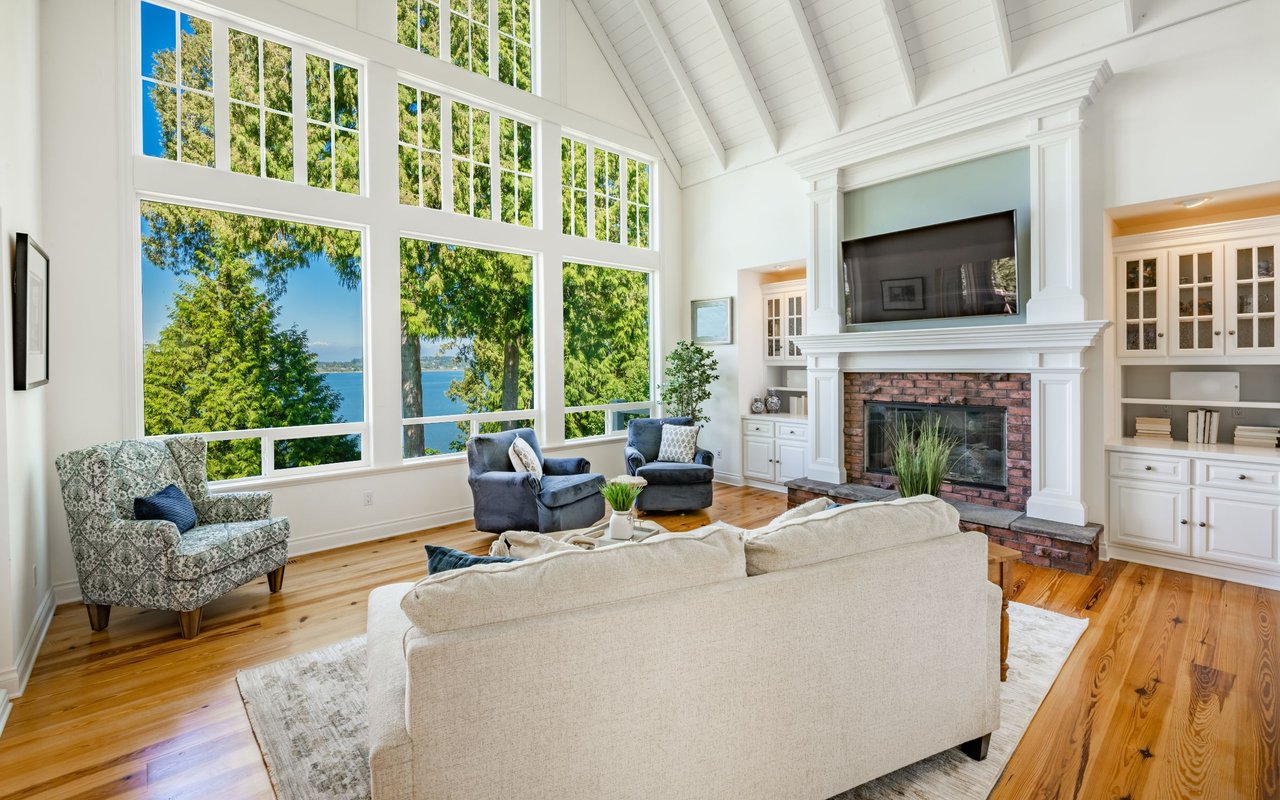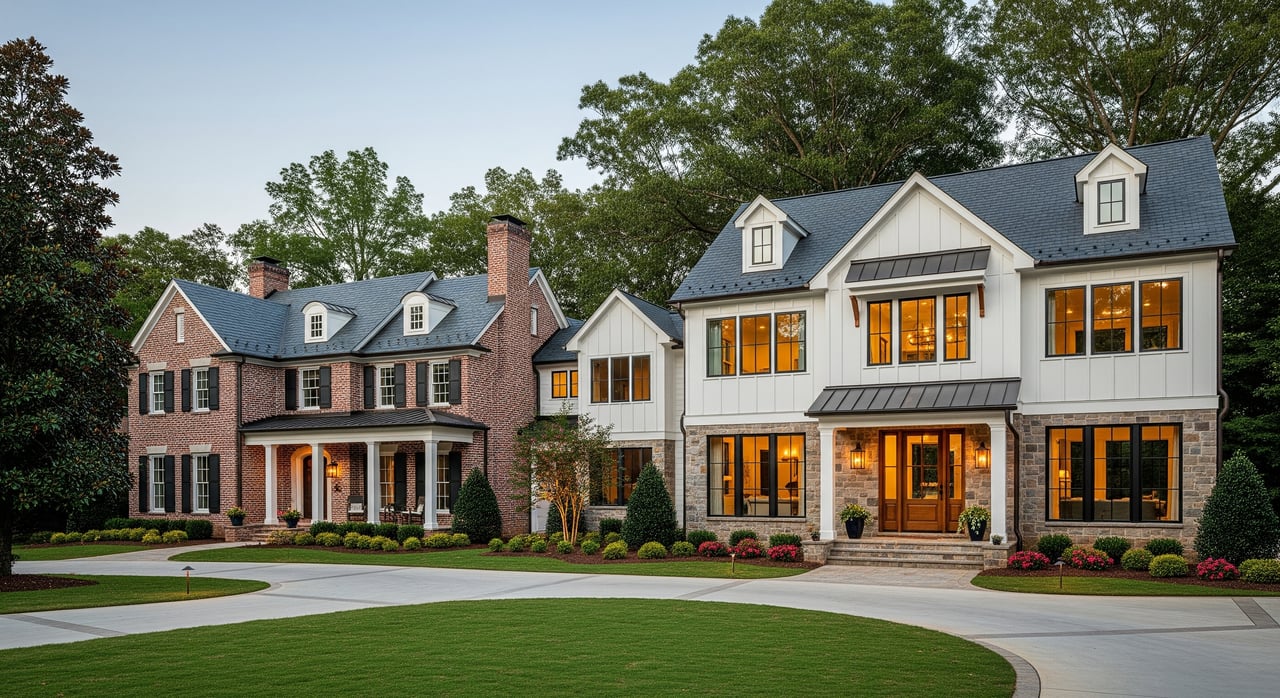
Thinking about a move to Acworth and torn between a brand‑new build and an established resale home? You are not alone. Each path offers real benefits, from fresh finishes and builder warranties to mature streetscapes and proven resale values. In this guide, you will learn how costs, timelines, warranties, contracts, and location trade‑offs differ in Acworth so you can choose with confidence. Let’s dive in.
What drives the decision in Acworth
Acworth’s mix of master‑planned communities and established neighborhoods gives you real choice. Proximity to Lake Allatoona, downtown Acworth, major roads, and specific school zones all influence price, demand, and lifestyle. You will also want to weigh lot maturity, topography, and how far along a new subdivision is in its buildout.
Local processes matter too. Cobb County and the City of Acworth handle permitting, utilities, and infrastructure timelines that can affect move‑in dates for new builds. Some new communities may be in early phases, which can mean construction traffic and developing amenities.
True cost: new vs. resale
New construction costs
With new construction, the marketing price is the base plan. Your total move‑in cost usually includes the base price plus lot premiums, design upgrades and finish selections, landscaping, and potential builder closing costs. Common upgrades that add up are kitchen packages, flooring, lighting, blinds, and even garage door openers.
Builders often price at a premium compared to similar resale homes nearby, although incentives such as closing cost assistance, rate buydowns, and appliance packages can offset part of that premium. Ask the builder sales representative for closed comps in the community and compare to nearby MLS sales in the same school zone.
Resale costs
With resale, you can judge condition before you write an offer. You will negotiate the purchase price, then plan for immediate repairs, system replacements, or remodeling if needed. Items like roof age, HVAC, plumbing, and cosmetic updates can influence your total cost more than the sale price itself.
Ongoing costs to plan for
- HOA dues: Many master‑planned communities in Acworth have mandatory HOAs that fund amenities and common area upkeep. Dues and rules vary by community.
- Property taxes: Newly built homes can be reassessed in early years. Check how the Cobb County Board of Assessors handles reappraisals, millage rates, and exemptions such as the homestead exemption.
Timelines and process
New construction timelines
- Inventory or spec home already under construction: roughly 2 to 6 months to close, depending on stage and builder backlog.
- To‑be‑built production home: commonly 4 to 12 months from contract to closing, influenced by selections, permitting, weather, and supply chain.
- Custom homes: 9 to 18 months or longer.
Expect clear milestones: contract and deposit, selections appointment, foundation, framing, mechanical rough‑ins, insulation, drywall and trim, punch list and walk‑through, then certificate of occupancy and closing. Service connections and permitting can add time, so confirm schedules with the builder and city or county.
Resale timelines
A typical resale purchase closes in 30 to 60 days with financing. Cash buyers can close faster. Your schedule depends on inspection windows, appraisal timing, lender conditions, and seller move‑out needs.
Warranties, inspections, and peace of mind
Builder warranties
Many builders offer a common structure: about one year for workmanship and materials, roughly two years for major systems like HVAC, plumbing, and electrical, and up to ten years for structural components through a third‑party warranty provider. Always request the full warranty booklet, how to submit service requests, response time expectations, and whether the structural warranty is third‑party backed.
New‑home inspections and punch lists
Even with warranties, plan independent inspections if allowed by your contract. Schedule a thorough pre‑close walk‑through to document touch‑ups and a punch list. Some builders limit structural inspections during construction, so confirm access policies in writing before you sign.
Resale protections
Resale homes do not come with builder warranties, although some manufacturer or system warranties may transfer. You can negotiate for a seller‑paid home warranty and credits for repairs after inspections.
Location and neighborhood trade‑offs
Master‑planned communities
Pros: predictable design standards, new infrastructure, energy‑efficient codes, and amenities such as pools, trails, and clubhouses. Cons: developing landscaping, potential construction activity during buildout, possible distance from long‑established services, and required HOA dues.
Established Acworth neighborhoods
Pros: mature trees and landscaping, proximity to downtown Acworth and existing services, established neighborhood character, and often larger or more varied lots. Cons: older systems may need replacement and layouts may be less open without remodeling.
Lake proximity and special considerations
Lots near Lake Allatoona or lake‑access corridors can carry premiums. If a lot is near the water or in a low‑lying area, review flood maps and local permitting rules early to avoid surprises.
Negotiation and contract differences
Builder contracts
Builders typically use their own contracts with detailed specification addenda. Prices on the base plan are usually fixed, but there can be room to negotiate incentives, lot premiums, upgrade credits, and closing costs. Incentives may require using a preferred lender or title partner. Expect clear rules on change orders, deposits, and timelines, and get all pricing in writing.
Resale negotiations
You can negotiate price, closing date, inspection contingencies, repair credits, and seller concessions. Homes that have been on the market longer may offer more leverage. Inspection findings are common leverage points.
Appraisals and comps
New communities with few closed sales can complicate appraisals. Lenders and appraisers may treat builder incentives differently than price reductions. Ask how closing credits or buydowns will be handled so you understand your true cash to close and the effect on your appraised value.
Financing differences
New construction options
- Inventory/spec homes are typically financed like resale with conventional, VA, or FHA loans.
- To‑be‑built homes can require construction‑to‑permanent loans or staged financing. Some builders coordinate with preferred lenders to streamline.
- Rate locks: for long build timelines, plan for rate changes. Ask about extended locks and builder buydown incentives.
Resale financing
Standard mortgage products apply, with generally simpler appraisals due to more comparable sales.
Who should choose new vs. resale
New construction might fit you if
- You want modern layouts and the ability to select finishes and options.
- You prefer lower maintenance risk in the first years and value a warranty structure.
- Your timeline is flexible and you can manage a multi‑month build process.
Resale might fit you if
- You want a faster move‑in, typically within 30 to 60 days.
- You value mature lots, established neighborhood character, and proven nearby comps.
- You are open to updates or remodeling to achieve your style.
Decision matrix: new vs. resale at a glance
| Criteria | New Construction | Resale |
|---|---|---|
| Price predictability | Medium, upgrades add cost | High, list price known, repair costs vary |
| Upfront customization | High | Low to Medium |
| Move‑in timeline | Medium to Long | Short |
| Maintenance risk first 5 years | Low | Medium to High |
| Resale value clarity | Medium | High |
| Negotiation leverage | Low to Medium | Medium to High |
| HOA and amenities | Often High | Variable |
| Lot maturity and landscaping | Low | High |
| Turnkey modern layout | High | Medium |
Model‑home touring checklist
Use this practical list to stay organized when you tour.
Before you go
- Research the builder’s track record in Cobb County and request references.
- Ask for a current phase and site map with lot availability and planned amenities.
- Bring a tape measure, camera, and your must‑have list.
At the model and on site
- Walk the model with the spec sheet. Confirm what is included versus upgraded, and get the inclusion list in writing.
- Ask for the lot number and elevation map. Note sun exposure, drainage, and street noise.
- Inspect workmanship details like trim, caulking, cabinet alignment, and flooring transitions.
- Ask about HVAC brand and capacity, water heater type, insulation R‑values, and electrical panel amperage.
- Request to see a completed, lived‑in home of the same plan if possible.
- Review HOA covenants, current dues, and any available meeting minutes.
Warranties and costs
- Request full warranty documents and service request procedures, including response times.
- Get current upgrade price lists and a realistic estimate of typical buyer upgrades.
- Ask about lot premiums and whether they fluctuate by lot.
After the tour
- Confirm the builder’s policy on independent inspections and when they can occur.
- Ask to speak with a recent buyer in the same community for candid feedback.
- Clarify deposit structure and any conditions for refunds.
Quick checklist to carry
- Measure rooms and map your furniture plan.
- Verify staged finishes versus included features.
- Check grading and drainage around the lot.
- Confirm warranty transferability and third‑party structural coverage.
Top 6 questions to ask a builder in Acworth
What is the realistic contract‑to‑close timeline for this specific lot and phase in Acworth, including permitting and utility connections?
Which finishes are included at this price, and what do typical buyers spend on upgrades in this plan?
What incentives are available, and do they require using a preferred lender or title company?
How are lot premiums set, and are there any upcoming lots or phases that may change pricing?
What are the HOA dues today, what amenities are funded, and is there a reserve study or budget you can share?
How do your warranties work, who administers them, and what is the average response time on service requests?
Your Acworth next steps
- Get hyper‑local comps: Ask your agent to pull 6 to 12 months of closed sales in your target school zone for both new communities and nearby resales.
- Verify taxes and exemptions: Contact the Cobb County Board of Assessors or Tax Commissioner to learn about assessment timing, millage rates, and homestead exemptions.
- Check development status: Call the City of Acworth Planning and Zoning or Permitting to review approved projects, infrastructure timelines, and any road work near your target community.
- Confirm school boundaries: Review the Cobb County School District boundary information to confirm assigned schools for a specific address.
- Review HOA documents: Request Covenants, Conditions and Restrictions, the current budget, and any reserve study to understand dues and rules.
- Talk to your lender early: Discuss rate‑lock options for long builds, how incentives are treated, and what down payment or loan type is required to receive builder credits.
Ready to compare actual neighborhoods, incentives, and comps side by side? Connect with Aracelis Sanchez for data‑driven guidance, full‑service buyer representation, and a clear plan from touring to closing.
FAQs
How do total costs differ between new construction and resale in Acworth?
- New builds often start with a base price plus lot premiums and upgrades, while resales center on the negotiated price plus any immediate repairs or remodels you choose.
What is the typical timeline to close on a new home in Acworth?
- Inventory homes can close in about 2 to 6 months, while to‑be‑built production homes commonly take 4 to 12 months depending on phase, selections, and permitting.
Do I still need a home inspection for a new build?
- Yes, independent inspections and a detailed final walk‑through are recommended if your contract allows, and you should document punch‑list items before closing.
How reliable are builder warranties in Cobb County?
- Warranty terms vary, but many include roughly one year for workmanship, around two years for major systems, and up to ten years for structural elements, often via a third party.
Can I negotiate with a builder on price in Acworth?
- You can usually negotiate incentives such as closing costs, rate buydowns, lot premiums, and upgrade credits, but base prices may be less flexible depending on the market.
How will my property taxes change on a new build?
- New homes may be reassessed after completion; check with the Cobb County Board of Assessors on timing and how exemptions like homestead may apply.